

Managing Fan Behavior: Essential Strategies for Athletic Directors to Enhance Game Day Experience

Creating a positive game day atmosphere depends heavily on how fan behavior is managed. Athletic directors play a crucial role in ensuring that fans enjoy the event without disrupting the game or affecting the performance of coaches, players, and officials. When fan behavior is left unchecked, it can lead to distractions, conflicts, and even safety concerns. This post explores practical strategies athletic directors can use to manage fan behavior effectively, keeping the focus on the game and enhancing the overall experience for everyone involved.
Understanding the Impact of Fan Behavior on Game Day
Fans bring energy and excitement to sporting events, but their behavior can sometimes cross the line. Loud, aggressive, or disruptive fans can distract players and officials, leading to mistakes or delays. Coaches may feel pressured or distracted by hostile crowds, which affects their ability to focus on strategy. Officials may face undue stress or intimidation, potentially influencing their calls.
Athletic directors must recognize that managing fan behavior is not the responsibility of coaches, players, or officials. Instead, it falls to event management teams led by athletic directors to create an environment where fans feel welcomed but also understand the boundaries of acceptable conduct.
Setting Clear Expectations Before the Game
One of the most effective ways to manage fan behavior is to set clear expectations before fans even enter the venue. This can be done through:
Clear communication on tickets, websites, and social media about acceptable behavior and consequences for misconduct.
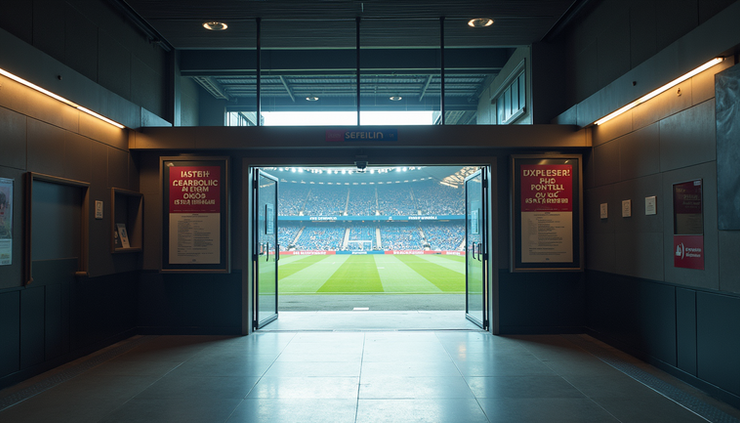
Visible signage at entrances and throughout the venue reminding fans of rules such as no profanity, no throwing objects, and respect for players and officials.
Pre-game announcements that reinforce positive fan behavior and the importance of sportsmanship.
By establishing these guidelines early, fans are more likely to self-regulate and understand that disruptive behavior will not be tolerated.
Training and Empowering Event Staff
Event staff are the frontline in managing fan behavior. Athletic directors should invest in thorough training programs that prepare staff to:
Recognize signs of escalating behavior before it becomes a problem.
Use de-escalation techniques to calm agitated fans.
Enforce rules consistently and fairly.
Coordinate with security and local law enforcement when necessary.
Empowered and well-trained staff can intervene early, preventing incidents from escalating and ensuring a safe environment for everyone.
Creating a Fan Code of Conduct
A formal fan code of conduct is a valuable tool for athletic directors. This document outlines expected behaviors and consequences for violations. It should be:
Easily accessible online and at the venue.
Written in clear, simple language so all fans understand.
Enforced consistently to maintain credibility.
Examples of consequences include removal from the venue, bans from future games, or legal action in severe cases. Publicizing the code of conduct shows fans that the organization takes behavior seriously.
Using Technology to Monitor and Manage Crowds
Modern technology offers new ways to manage fan behavior efficiently:
Surveillance cameras help monitor crowd behavior in real time.
Mobile apps can provide fans with updates, reminders about conduct, and a way to report issues anonymously.
Social media monitoring allows staff to identify potential problems before they arise.
Athletic directors should explore these tools to complement traditional crowd management methods.
Encouraging Positive Fan Engagement
Positive fan engagement reduces the likelihood of disruptive behavior. Athletic directors can promote this by:
Organizing fan zones with activities that keep fans entertained and focused on the event.
Offering family-friendly sections to create a welcoming atmosphere.
Highlighting fan recognition programs that reward good behavior and sportsmanship.
When fans feel valued and part of a community, they are more likely to behave respectfully.
Collaborating with Local Authorities and Security
Effective fan behavior management requires strong partnerships with local police and security teams. Athletic directors should:
Develop joint protocols for handling incidents.
Conduct regular meetings to review security plans.
Share information about high-risk games or fan groups.
This collaboration ensures a coordinated response to any issues, enhancing safety and order.
Handling Incidents Quickly and Fairly
Despite best efforts, incidents may occur. Athletic directors must ensure that:
Staff respond quickly to contain and resolve issues.
Fans involved in misconduct are treated fairly and according to established policies.
Communication with the crowd remains calm and clear to avoid escalation.
A swift and transparent response helps maintain trust and discourages future problems.
Supporting Coaches, Players, and Officials
By managing fan behavior effectively, athletic directors protect coaches, players, and officials from distractions and undue pressure. This support allows them to focus on their roles and perform at their best. Athletic directors should also:
Provide channels for feedback from these groups about fan behavior.
Offer resources such as counseling or security if needed.
Promote a culture where the game is respected by all attendees.
Measuring Success and Improving Strategies
Managing fan behavior is an ongoing process. Athletic directors should:
Collect data on incidents and fan feedback.
Review what worked and what didn’t after each event.
Adjust policies and training accordingly.
Continuous improvement ensures that fan management strategies remain effective and relevant.


Comments